

As a core technological breakthrough by HTD (Hongneng) in the new energy field, our battery pack tray lightweighting solution focuses on transitioning from traditional die-casting to advanced stamping processes. This shift aims to provide customers with the perfect balance of structural integrity, cost efficiency, and significant weight reduction for battery pack systems.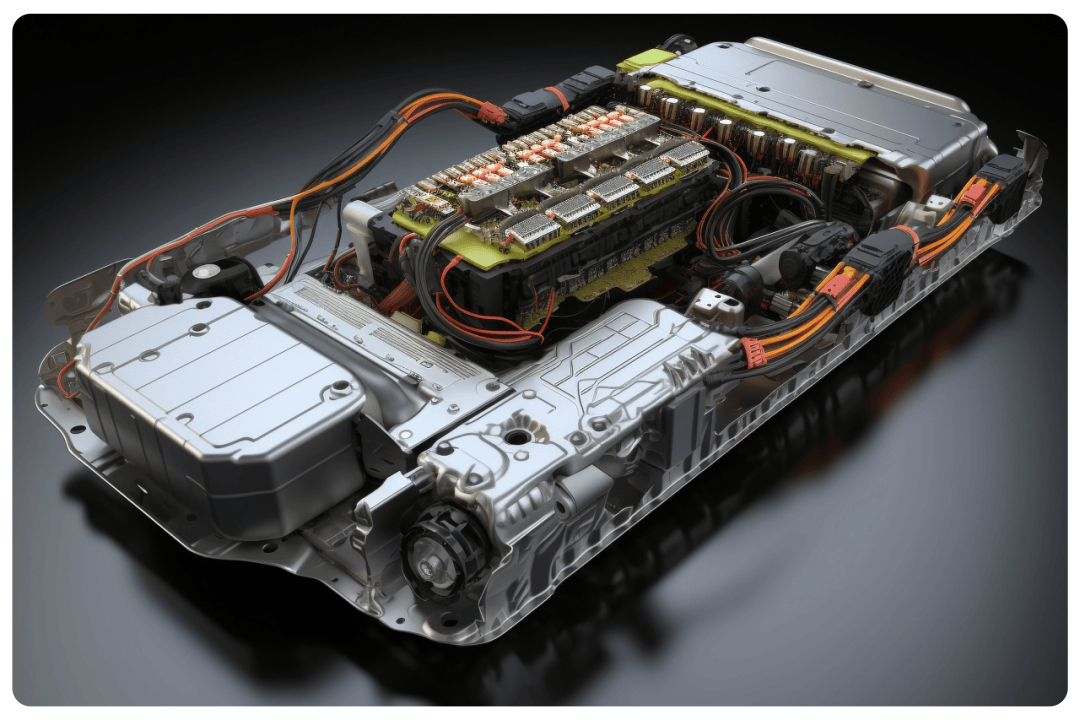
HTD Material Selection: High-Strength Aluminum Alloys for Stamping
HTD utilizes specially formulated 5xxx and 6xxx series aluminum alloys optimized for stamping processes. These materials offer an excellent strength-to-weight ratio, good formability, and corrosion resistance. Compared to die-cast trays, stamped aluminum trays can achieve weight reduction of 25-40% while maintaining or improving mechanical performance, directly contributing to increased vehicle range.
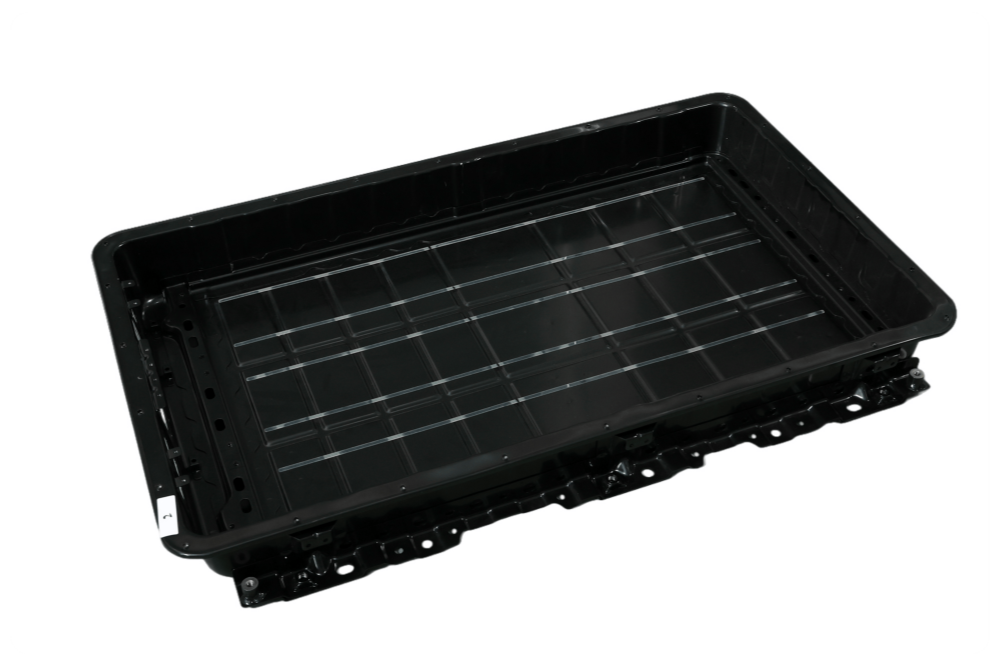
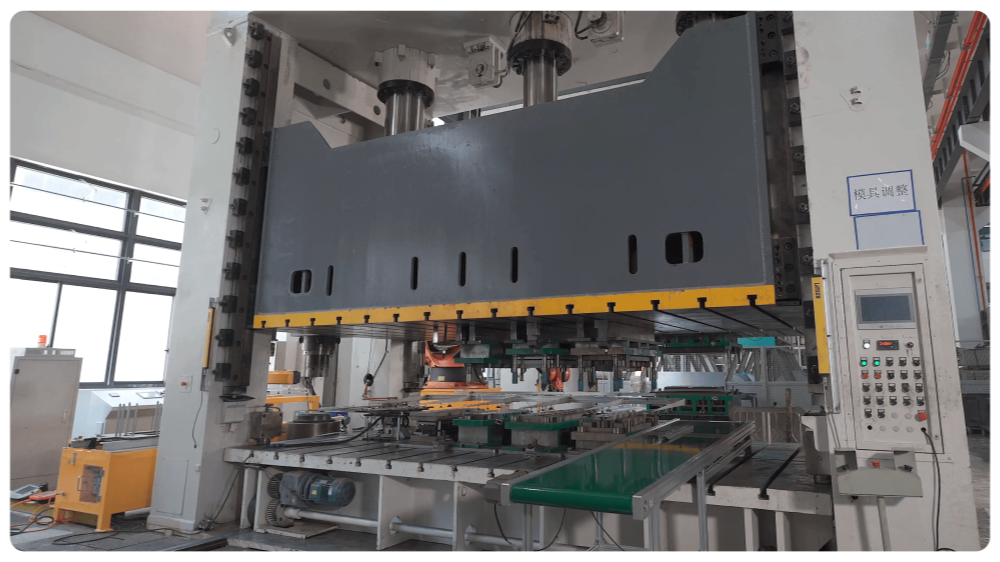
Replacing die-casting with high-precision progressive stamping and hot stamping processes allows HTD to produce complex, integrated tray structures in fewer steps. Stamping enables tighter tolerances, better material consistency, and the creation of intricate reinforcing ribs and features directly in the sheet metal, eliminating the need for additional brackets or supports, further reducing part count and weight.
TT Structural Design: Monocoque & Integrated Stamped Tray
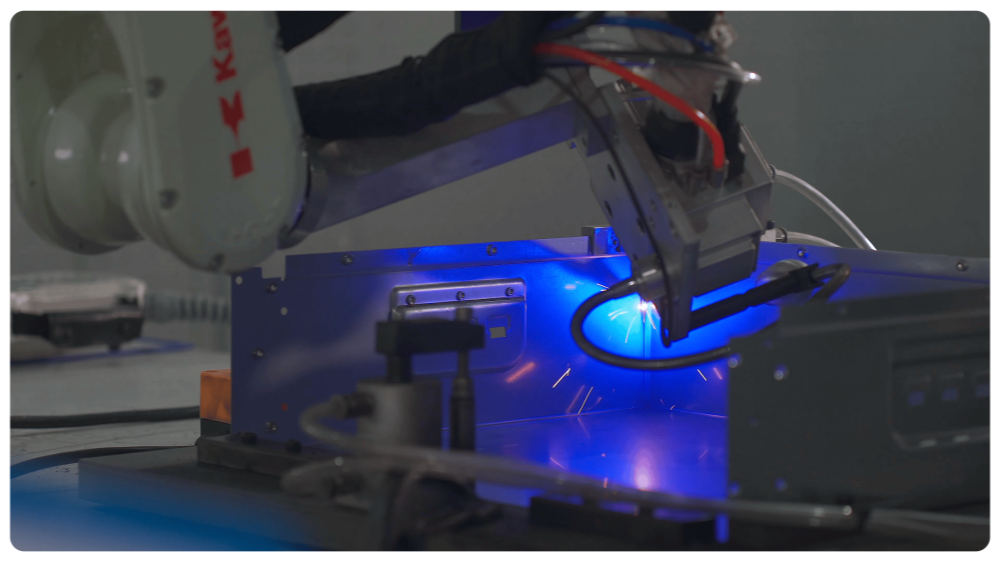
HTD employs monocoque (unibody) design principles through stamping. A single, large stamped aluminum panel forms the core structure, integrating side walls, cross members, and mounting points into one piece. This design minimizes joints, welds, and fasteners, leading to a stiffer, lighter, and more reliable tray compared to multi-piece die-cast or assembled designs, while simplifying assembly.

HTD Cost & Efficiency: Stamping Advantages
The stamping process offers substantial cost and lead time benefits over die-casting. It requires lower initial tooling investment, has faster cycle times, and generates less material waste. This makes the solution more scalable and cost-effective for high-volume production, translating into significant savings for customers without compromising quality.
HTD Performance Validation: Strength & Safety
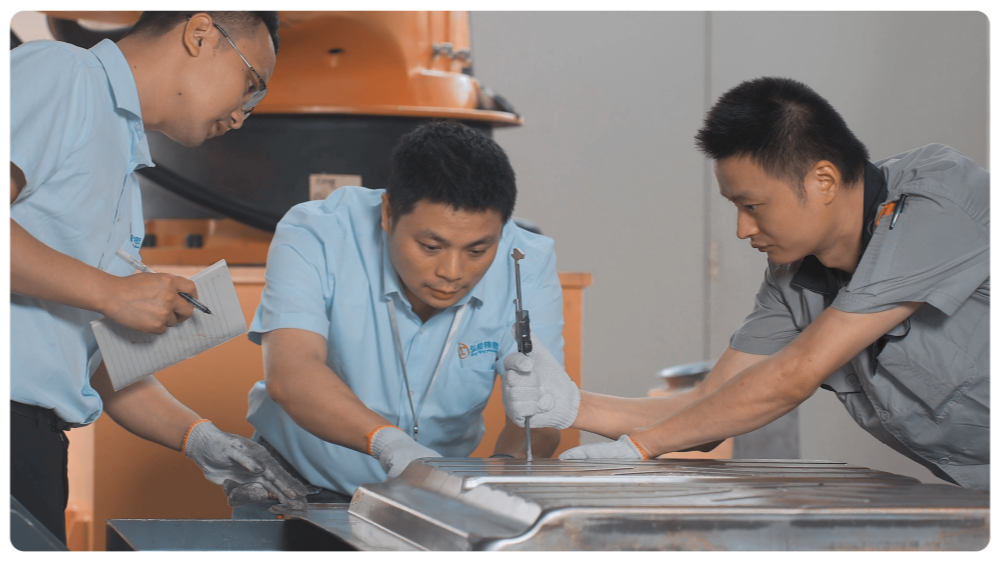
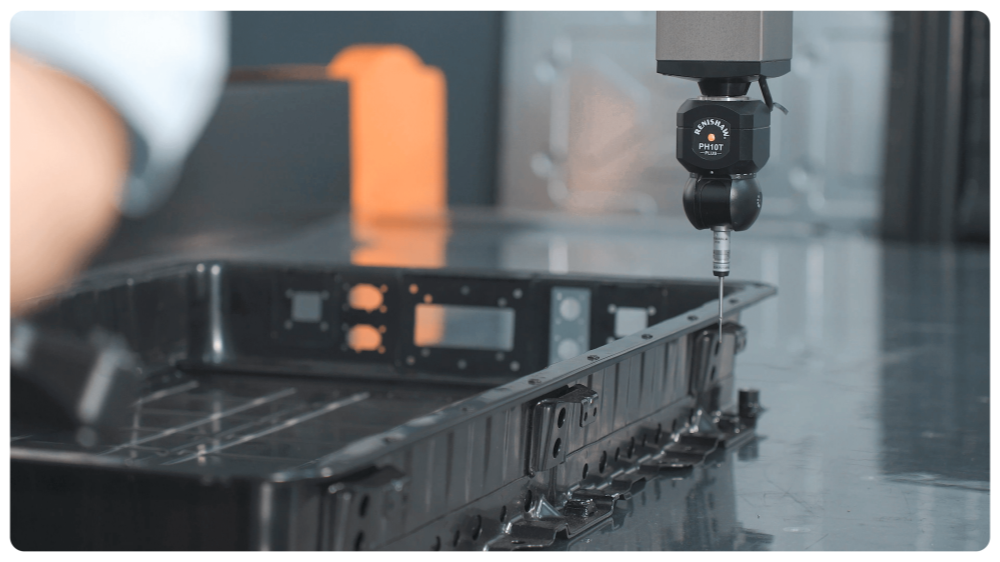
HTD stamped trays undergo rigorous finite element analysis (FEA) and physical testing for crush resistance, torsion stiffness, and vibration fatigue. The tailored properties of stamped high-strength aluminum ensure the tray meets stringent safety standards (like GB 38031) for battery protection, providing robust containment for cell modules under various impact and load conditions.

HTD Thermal & Sealing Integration
The stamped tray design seamlessly integrates cooling channel layouts and sealing surface features. Precise forming allows for the incorporation of mounting surfaces for cold plates and consistent flanges for liquid ingress protection (IP67) seals. This integration ensures efficient thermal management and environmental protection in a lightweight package.
HTD (Hongneng) is committed to driving innovation in battery pack design. Our shift to advanced stamping for battery trays demonstrates our focus on delivering lightweight, high-performance, and cost-competitive solutions that power the future of electric mobility.


