

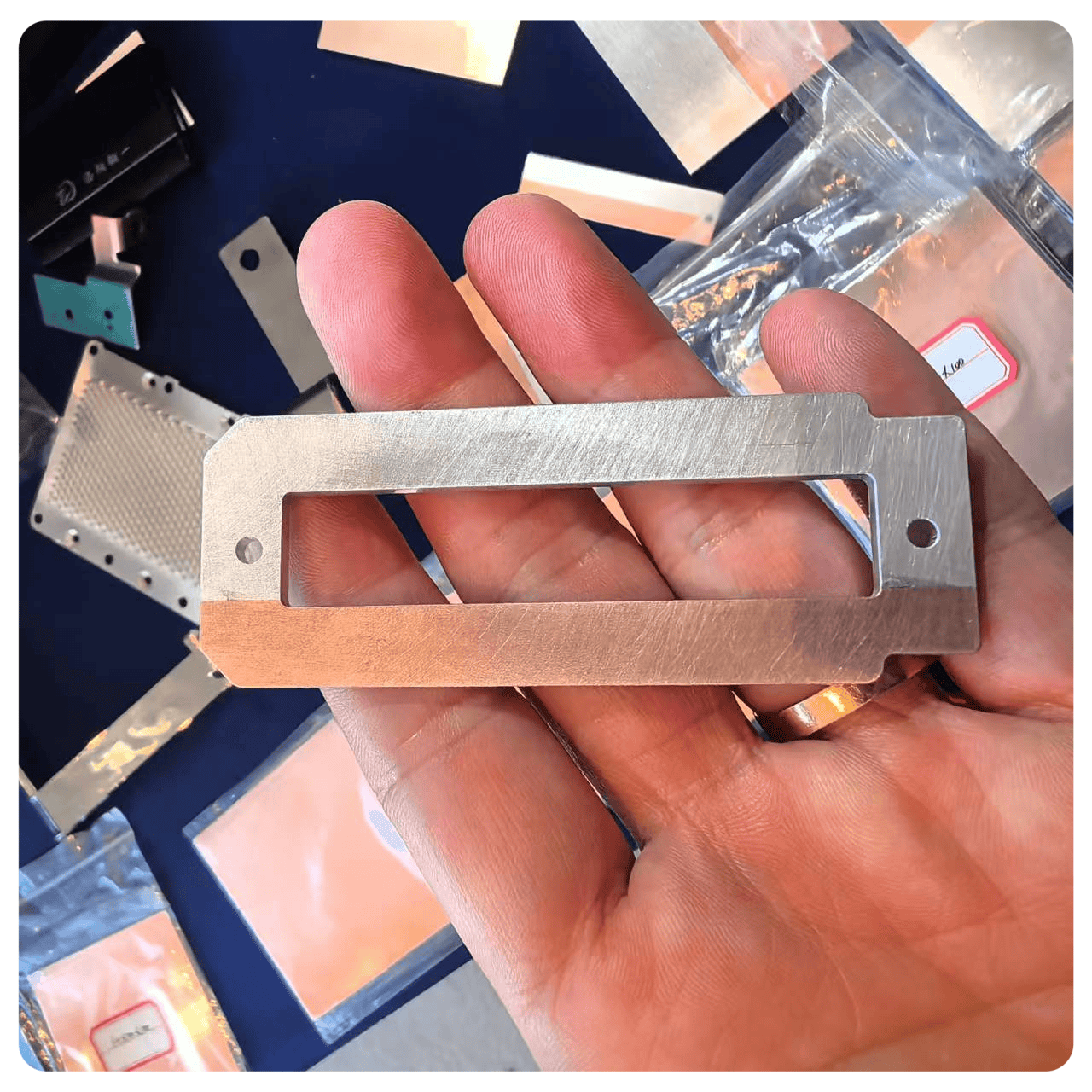
HTD Material Innovation: Copper-Aluminum Composite Process
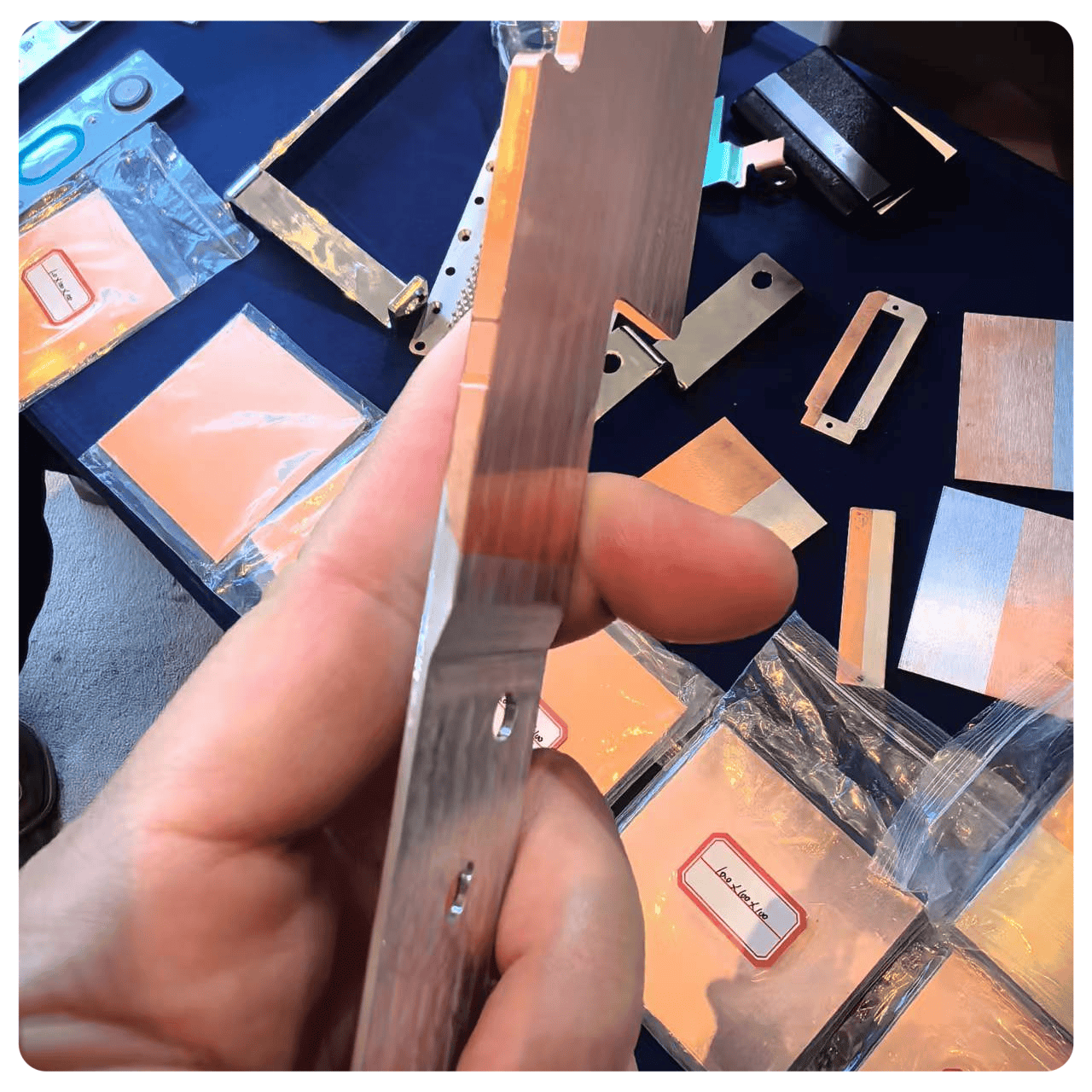
HTD employs proprietary Rolling Composite and Cladding Welding Technology. A high-conductivity copper layer is retained at critical electrical connection interfaces, while an aluminum core is used for long conductor sections. With aluminum costing approximately one-third of copper, this approach can directly reduce material costs by over 40%, while simultaneously achieving a system weight reduction of 30%-50%, realizing cost reduction and efficiency improvement from the source.
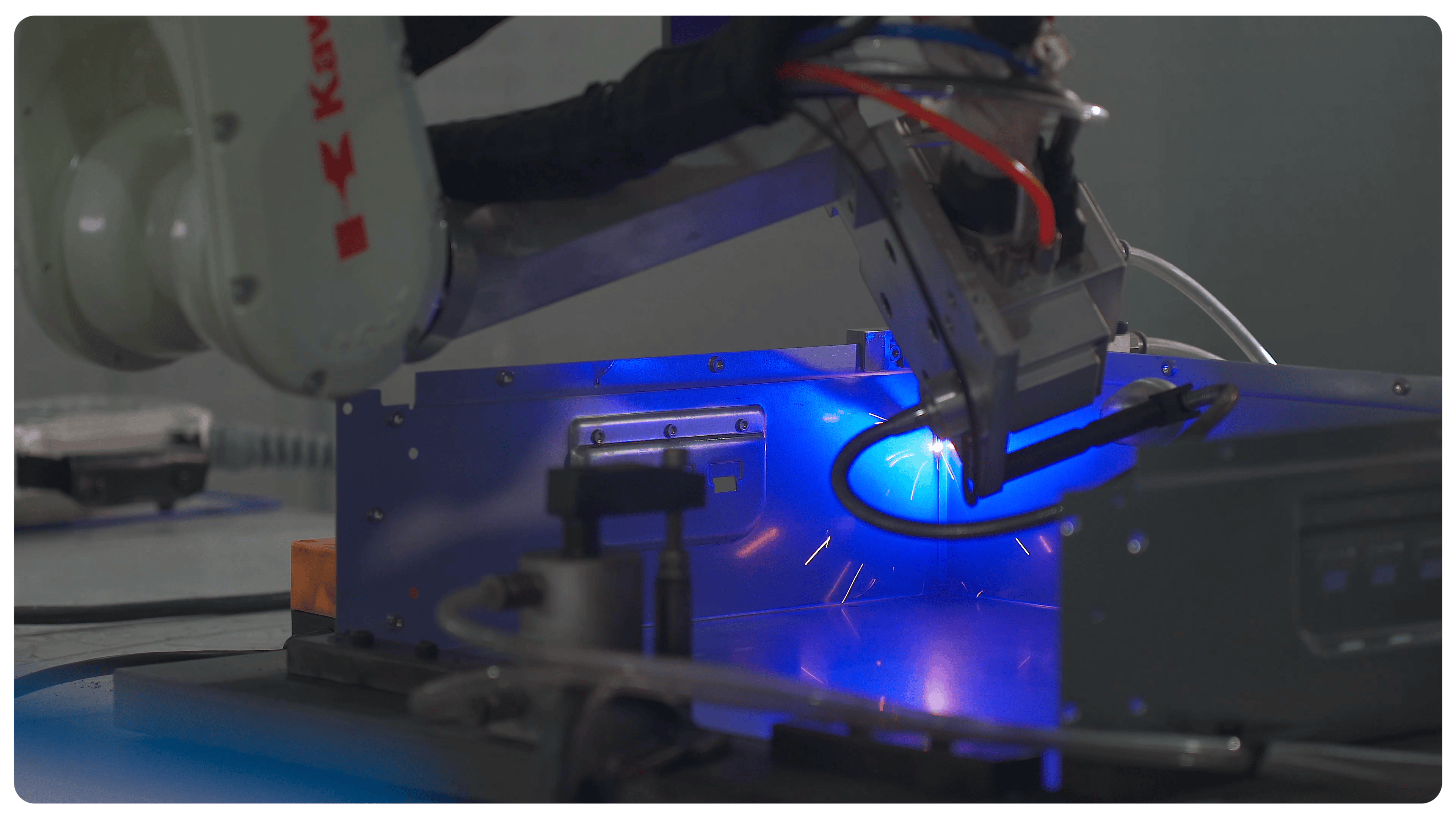
HTD Connection Technology: The Cornerstone of Reliability
Reliable copper-aluminum connection is an industry pain point. HTD applies advanced processes such as Laser Welding, Diffusion Brazing, and Friction Welding. Through precise thermal control and interface design, the formation of brittle intermetallic compounds is effectively suppressed, ensuring connection points possess low contact resistance, high mechanical strength, and excellent long-term stability, guaranteeing cost reduction without compromising quality.
HTD Surface Treatment: Long-lasting Protection
Addressing the risk of electrochemical corrosion between copper and aluminum, HTD implements specialized Tin Plating or Nickel Plating treatments on exposed aluminum surfaces and composite interfaces, forming a dense protective layer. This process ensures the conductor maintains excellent electrical performance and corrosion resistance even in harsh environments like humidity and salt spray, extending product service life.
HTD Thermal Management Design: Performance Assurance
HTD leverages aluminum's good thermal conductivity to optimize the cross-sectional structure and layout of the composite busbar, promoting uniform heat distribution and rapid dissipation. Combined with high-performance thermal interface materials, local overheating is effectively prevented, ensuring the safe and stable operation of the conductor under high-load conditions, safeguarding system reliability.
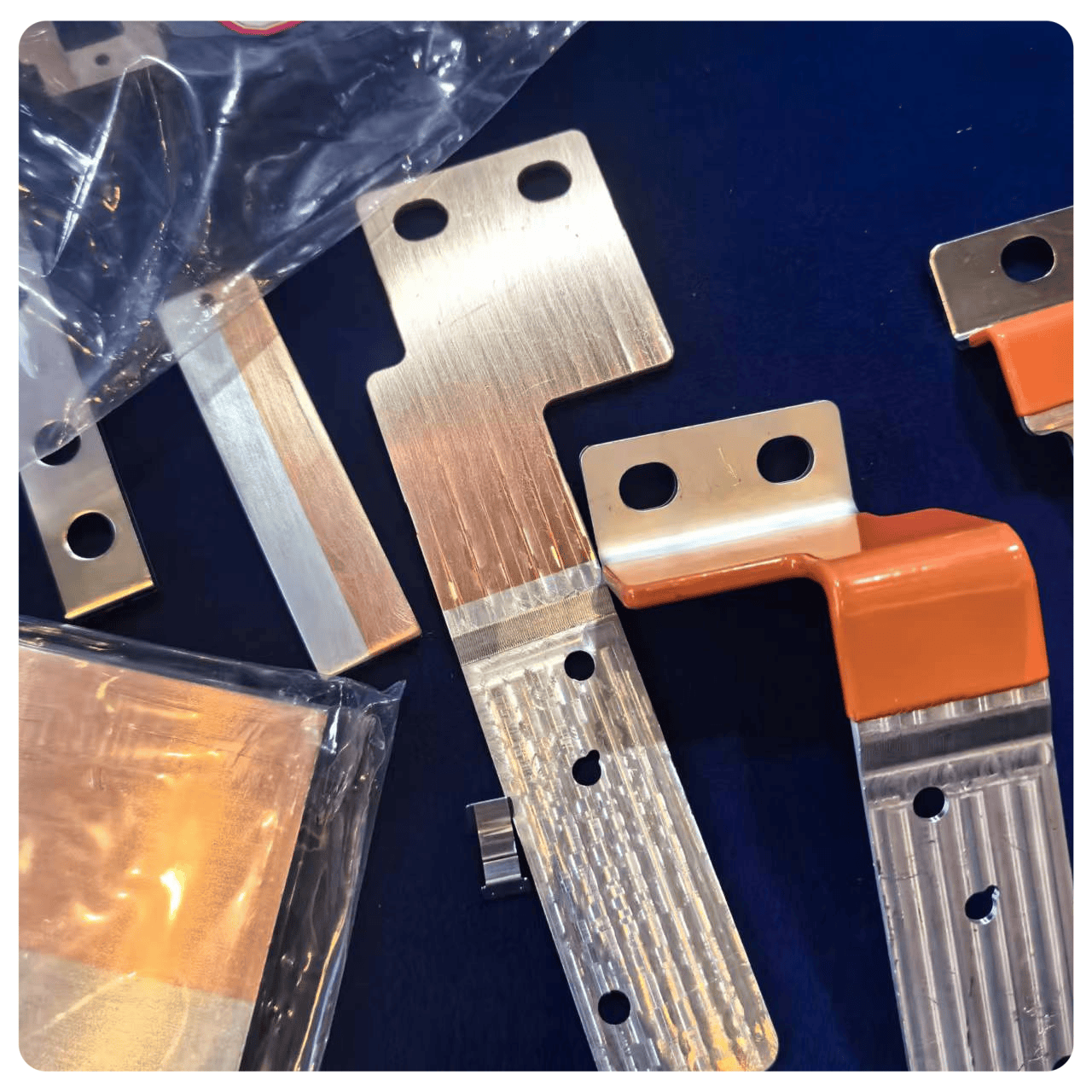
HTD Structural Optimization: Ultimate Cost Efficiency
HTD innovatively introduces Local Composite Design, using copper only at critical locations such as bolt connections and welding terminals, while employing aluminum for the main long-distance transmission body, achieving ultimate cost optimization. Through lightweight designs like hollow or special-shaped cross-sections, material usage and weight are further reduced while ensuring mechanical strength and current-carrying capacity.
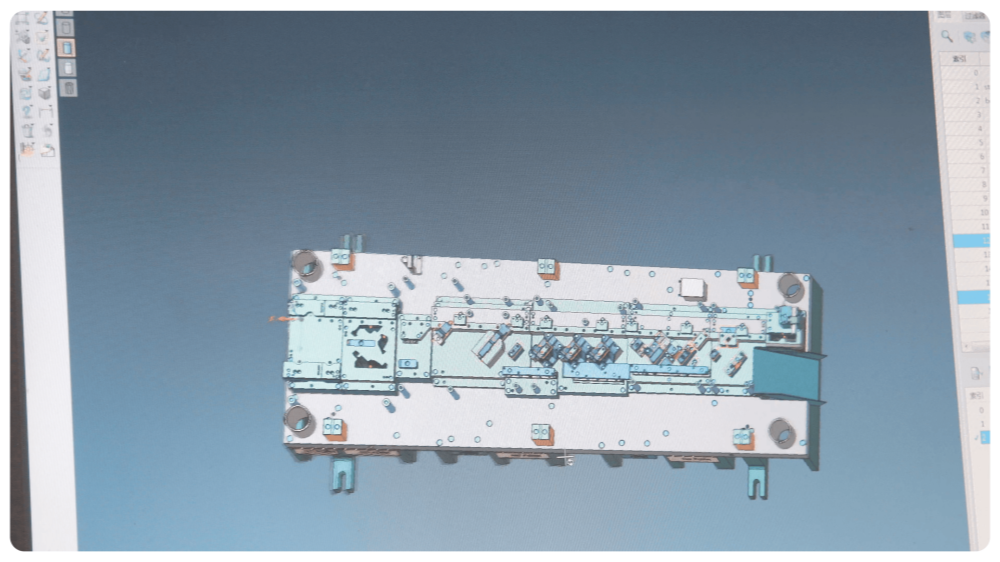
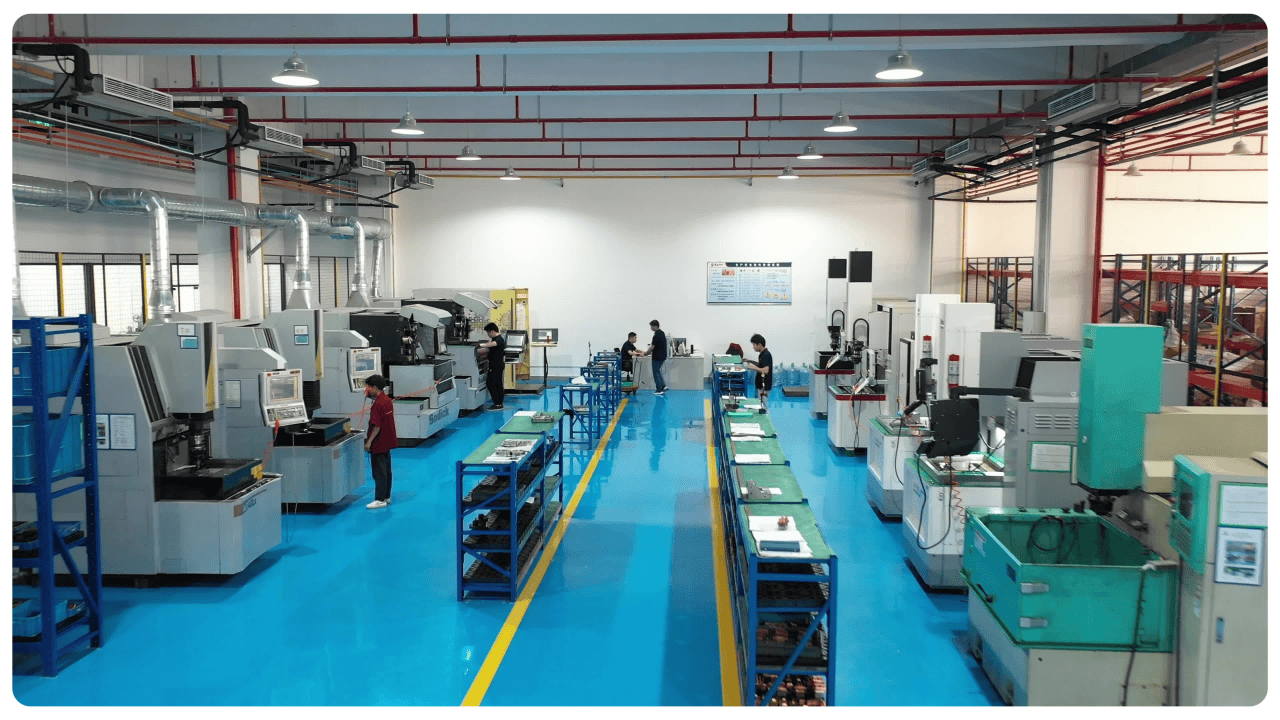
HTD Quality System: Full-process Control
HTD has established a strict full-process quality control system, employing Online Conductivity Detection, Ultrasonic Flaw Detection, and Micro-ohm Level Contact Resistance Testing to conduct 100% inspection of composite interface bonding strength, welding quality, and electrical performance. This ensures every HTD Copper-Aluminum Composite Busbar product meets high-performance standards, providing customers with a reliable, high-cost-performance solution.
HTD (Hongneng) is committed to creating greater value for customers through continuous technological innovation.


